Every regenerative treatment we offer is guided by medical expertise and rooted in the belief that beauty begins with skin health. Platelet-Rich Plasma (PRP) therapy is one of our most powerful tools for enhancing natural collagen, improving skin texture, and restoring vitality, but the days following your appointment are just as important as the procedure itself.
When PRP is combined with treatments such as microneedling or used for facial rejuvenation or hair restoration, your skin enters a highly active phase of healing. This is when your body begins stimulating new collagen and tissue repair. Supporting this process with intentional, gentle skincare ensures your results are smooth, radiant, and long-lasting.
What to Expect After Your PRP Treatment
Once your PRP session is complete, you may experience mild redness, tightness, swelling, or a sensation similar to a sunburn. These signs are not a cause for concern; they are indications that your skin is actively responding to the platelet-derived growth factors.
The healing cascade that follows PRP is what triggers collagen production. It’s a carefully orchestrated biological process that should not be rushed or disrupted. Most clients begin to notice visible skin refinement within two to three weeks, with continued improvement in tone and firmness for several months. Hair restoration results often evolve more gradually, with increased fullness seen over several sessions.
At Prima Doll Aesthetics in Cumming, your post-care plan is not one-size-fits-all. It’s thoughtfully customized by Ambra Jordan Velic, APRN, CRNA, based on the area treated and the intensity of your procedure. Whether you received PRP for facial rejuvenation, acne scarring, or scalp revitalization, the principles of gentle care, hydration, and protection remain essential.
Immediate Aftercare: The First 24 to 48 Hours
In the hours immediately following your treatment, the skin is particularly delicate. During this window, allow the PRP to fully absorb by keeping the area clean, untouched, and makeup-free.
- Do not wash the treated area for at least 4 to 6 hours
- Avoid applying skincare or sunscreen until the following day
- If washing after 12–24 hours, use only lukewarm water and a fragrance-free, gentle cleanser
- Pat the skin dry using a clean, soft towel
- Sleep with your head elevated to help minimize puffiness
- If discomfort occurs, Tylenol may be used; avoid NSAIDs such as ibuprofen or naproxen, as they can suppress the natural healing response
During this early phase, inflammation is a sign of regenerative activity. It should not be interrupted unless directed by your provider.
Days 2–7: Hydration, Healing, and Barrier Repair
As the healing process continues, it’s important to focus on calming, supportive care. Many patients will begin to notice mild dryness or flaking, especially after PRP facials or microneedling treatments, which create microchannels in the skin to enhance plasma absorption.
To protect the skin barrier:
- Cleanse gently once or twice daily using a non-irritating cleanser
- Apply a hydrating serum with hyaluronic acid and moisturizers with ceramides to keep the skin supple
- Avoid active ingredients such as retinol, alpha-hydroxy acids, salicylic acid, or vitamin C during this time
- Begin using a broad-spectrum mineral sunscreen (SPF 30+) as soon as the skin is ready, usually around 24–48 hours post-treatment
- Do not exfoliate, scrub, or peel flaking skin; allow it to shed naturally
Clients receiving PRP as part of microneedling for acne scars may experience a slightly slower healing cycle. In these cases, additional precautions will be discussed during your visit.
PRP Facial Recovery: Special Considerations for Sensitive Skin
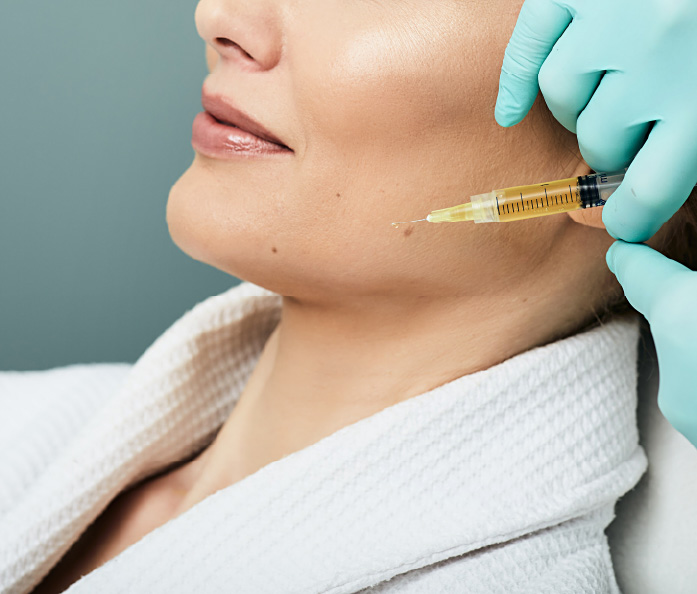
PRP facials, often called “vampire facials”, combine microneedling with autologous platelet serum to stimulate collagen deep within the skin. Because microneedling creates controlled micro-injuries, the skin may appear red or feel tight for the first few days.
- Moisturize frequently, every 2 to 3 hours if dryness is significant
- Mineral-based makeup may be worn after 24 hours if there are no open areas
- Limit sun exposure completely for the first 72 hours
- Avoid any in-office treatments, including facials or peels, for at least 7–10 days
Your healing timeline and product reintroduction schedule will be reviewed during your in-person follow-up at our Cumming office. For many clients, we recommend microneedling with PRP as a series, spaced 4–6 weeks apart, to gradually build results without overloading the skin.
PRP for Acne Scars: Gentle Recovery for Fragile Areas
Acne scars, particularly those that are indented or discolored, can benefit greatly from PRP. However, these areas require extra care to prevent post-inflammatory hyperpigmentation (PIH) or irritation.
- Refrain from using brightening agents, exfoliants, or acids until the skin is calm
- Focus on sun protection, daily use of a mineral SPF 30+ is essential
- Consider adding a niacinamide-based serum after Day 3 to support repair and reduce inflammation
- If flaking occurs, resist the urge to exfoliate or “help” the skin shed; consistent hydration will guide the process
To explore additional options for pigment control and texture refinement, chemical peels or collagen-stimulating treatments may be added after your skin has fully healed.
PRP Hair Restoration Aftercare: Scalp-Specific Guidance
When Platelet-Rich Plasma is used to stimulate hair follicles, the scalp becomes a regenerative zone. It’s important to treat this area gently to avoid disrupting follicular activity.
- Avoid washing your hair for 24–48 hours after treatment
- Do not apply styling products such as mousse, gels, or sprays during this period
- Skip heat styling and avoid any scalp massages or tight hairstyles
- If you notice minor bumps or tenderness, know that this is part of the healing process
- Sleep on a clean pillowcase to avoid irritation or contamination
Your hair health is also supported by internal factors. We may recommend collagen supplements, omega-3s, or dietary adjustments to optimize your body’s natural regenerative capacity. As part of your personalized plan, Ambra Jordan Velic, APRN, CRNA, will guide you on both topical and nutritional strategies for supporting long-term hair growth.
PRP vs PRF: How Aftercare Differs
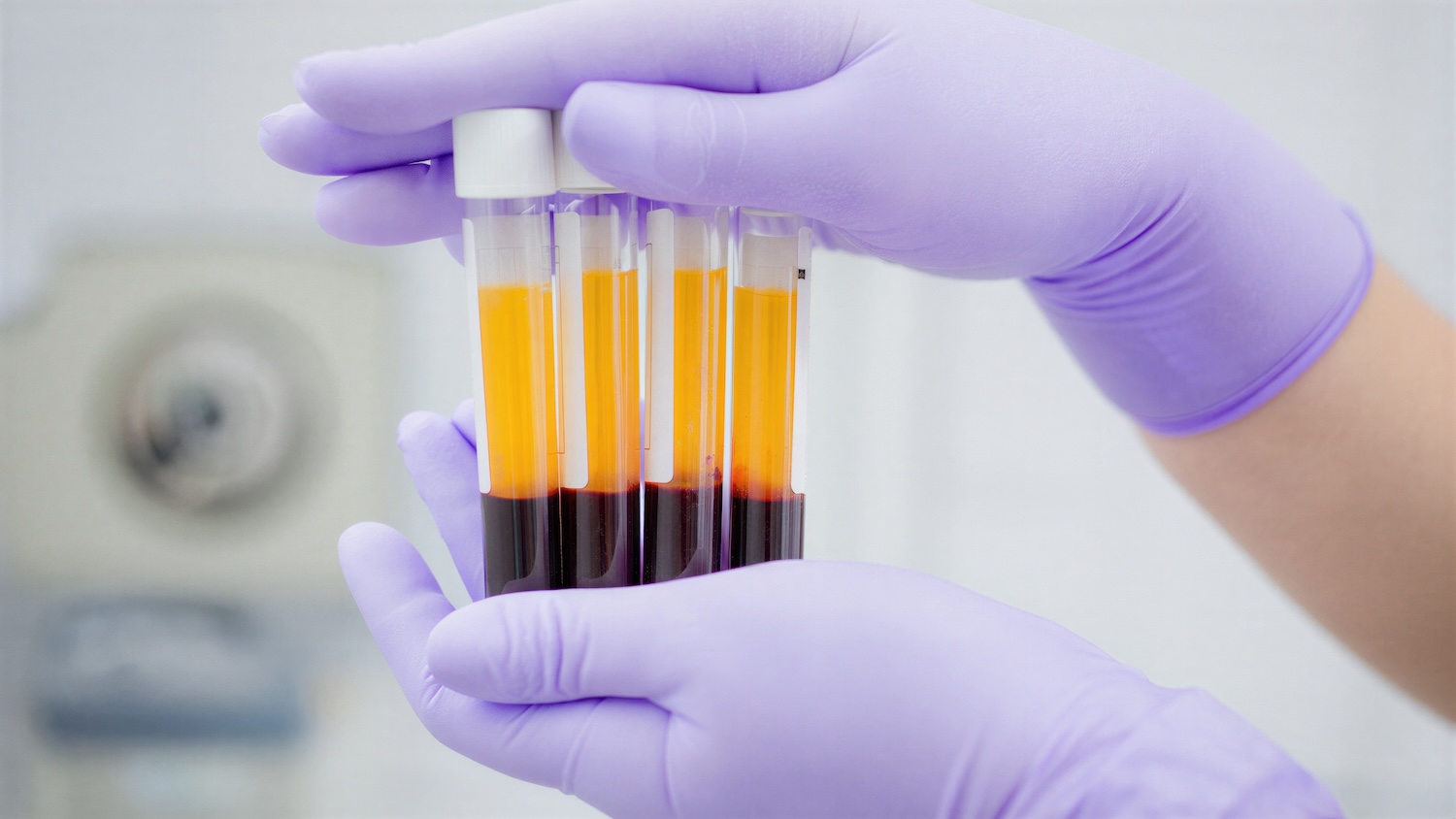
At Prima Doll Aesthetics, we also offer PRF (Platelet-Rich Fibrin), a next-generation biostimulatory treatment derived from your own blood, much like PRP. However, PRF contains a higher concentration of platelets and releases growth factors more slowly, extending the healing window.
While the foundational principles of aftercare are similar, there are a few key differences to consider:
- Mild puffiness or swelling may persist slightly longer with PRF
- Active skincare ingredients should be reintroduced more gradually, typically after Day 5–7
- The regenerative effect may unfold over a longer period, providing more subtle but sustained results
If you received PRF during your session, Ambra will provide tailored aftercare instructions based on your skin’s specific needs and reactivity.
What to Avoid After PRP Treatment
PRP is a biologically active therapy, and its results are heavily influenced by what you avoid during recovery. Here’s what to keep off your calendar, and off your skin, for the first several days:
These precautions are temporary, but vital. Allowing your skin to heal without interference will ensure your results are as smooth, glowing, and long-lasting as possible.
How to Support Natural Collagen Healing
Collagen isn’t formed overnight; it’s a gradual process that requires consistent support. After your PRP session, we recommend the following integrative practices:
- Hydrate generously: Aim for 8–10 glasses of water per day
- Eat nutrient-dense foods: Include collagen-rich soups, wild salmon, berries, leafy greens, and bone broth
- Support with supplements: If approved by your provider, consider Vitamin C, zinc, and collagen peptides
- Prioritize sleep: Elevate your head to reduce swelling, and allow your body ample rest
- Consider add-ons like red light therapy (discussed during your treatment planning) to enhance cellular renewal
PRP is powerful, but the way you care for your skin afterward can enhance or hinder its ability to renew itself from within. Your home care is a continuation of the regenerative process initiated in the treatment room.
Why Post-Care Matters at Prima Doll Aesthetics
Post-treatment care is not an afterthought; it’s an essential part of your overall aesthetic journey. At Prima Doll Aesthetics in Cumming, GA, we prioritize education, transparency, and results that align with your natural beauty.
Every client receives a customized recovery plan, developed by Ambra Jordan Velic, APRN, CRNA, to ensure your skin or scalp heals in harmony with the regenerative process. This is more than skincare; it’s a restoration of balance, vitality, and confidence.
If you have questions about your recovery, reach out to us directly. Your skin deserves attentive, expert-led care every step of the way.
Frequently Asked Questions About Exosome Therapy